Is DIY Driveway Cleaning Really Worth the Hidden Risks?
For many Richmond homeowners, a stained, algae-streaked driveway is one of the most noticeable curb appeal problems. Renting or buying a pressure washer and tackling the job over a weekend seems like an easy way to save money. But while DIY driveway cleaning looks simple on the surface, it carries risks that are easy to overlook: damaged concrete, injuries, water intrusion, environmental violations, and results that disappoint. This guide explains what those risks are, what DIY cleaning really costs, and how to decide whether doing it yourself or hiring a professional makes more sense for your property.
Why Richmond Driveways Get Dirty So Quickly
Richmond's climate is a major reason driveways need regular attention. Warm, humid summers, mild winters, abundant tree cover, and frequent rainfall create ideal conditions for biological growth. Driveways here commonly develop:
- Algae and mildew: Green or black streaks that thrive in shaded, damp areas.
- Moss and lichen: Often found along edges, expansion joints, and low spots where moisture lingers.
- Tannin stains: Brown discoloration from leaves, pine needles, and fallen debris.
- Oil and rust stains: From vehicles, lawn equipment, and metal items left on the surface.
- Red clay discoloration: Regional soil tracked or splashed onto concrete and pavers.
Each type of stain responds differently to cleaning methods. That variety is one of the first places DIY efforts run into trouble.
The Real Appeal of DIY Driveway Cleaning
It is worth acknowledging why people choose to do it themselves. The upfront cost of renting a machine can seem lower than a professional quote, and many homeowners enjoy the satisfaction of a project completed with their own hands. For a small, lightly soiled driveway and the right equipment, DIY power washing can be a reasonable choice.
The problem is that the visible savings often hide secondary costs and risks that only appear after the work is underway or finished.
Hidden Risk #1: Damaging the Surface
The most https://pressurecleaningrichmond.com.au/ common DIY mistake is using too much pressure or the wrong nozzle. Consumer and rental pressure washers can produce anywhere from 2,000 to 4,000 PSI or more, which is enough to etch concrete, expose aggregate, and leave permanent marks.
Concrete Etching and Zebra Striping
Holding a zero-degree or narrow nozzle too close to the surface can carve visible lines into the concrete. Uneven passes create a striped "zebra" effect that is often more noticeable than the original dirt. Once concrete is etched, the damage cannot be reversed with more cleaning. It requires resurfacing or sealing to disguise.
Eroded Joints and Pavers
If your driveway has pavers, high pressure can blast out the joint sand that locks them in place. Without that sand, pavers shift, weeds grow, and water gets underneath. Replacing joint sand and re-leveling pavers is a project in itself. Even on poured concrete, aggressive spraying can widen expansion joints and loosen sealants.
Damaged Sealers and Coatings
Many driveways have been sealed to protect against stains and moisture. Pressure that is too intense can strip or damage that sealer, leaving the surface more vulnerable than before you started.
Hidden Risk #2: Personal Injury
A pressure washer is a powerful tool, not a garden hose. Water exiting the nozzle at high pressure can cut skin, and injuries from these machines send thousands of people to emergency rooms in the United States each year. Common hazards include:
- Lacerations and injection injuries from water forced under the skin
- Slips and falls on wet concrete, especially on sloped Richmond driveways
- Back and shoulder strain from handling equipment and hoses
- Debris thrown at high speed, such as gravel, glass, or chips of concrete
- Electrical hazards when using electric units near outlets and wet conditions
Eye protection, closed-toe footwear with traction, and careful handling are essential, yet many first-time users skip them.
Hidden Risk #3: Water Intrusion and Collateral Damage
Driveways rarely exist in isolation. They sit next to garage doors, siding, landscaping, vehicles, and sometimes basement windows. Misdirected spray can force water behind garage door seals, under siding, and into door thresholds. Over time, trapped moisture contributes to rot, mold, and costly repairs.
Splash-back can also stain nearby brick or siding with dislodged dirt and algae. This is why professionals often evaluate the whole exterior, and why many homeowners combine driveway cleaning with house washing and, when needed, roof cleaning to keep everything consistent and avoid recontamination.
Hidden Risk #4: Chemicals and Environmental Concerns
Pressure alone often is not enough to remove organic growth or oil stains. DIYers frequently turn to bleach, concentrated degreasers, or acidic cleaners. Used incorrectly, these products can:
- Kill grass, shrubs, and garden beds through runoff
- Discolor or corrode metal fixtures, railings, and vehicle finishes
- Irritate skin, eyes, and lungs when mixed or applied without ventilation
- Release hazardous fumes if incompatible products are combined
Runoff is also an environmental concern. In Richmond, storm drains typically lead directly to local waterways, including tributaries that feed the James River, without wastewater treatment. Soaps, chemicals, oil, and sediment washed into storm drains can contribute to water pollution. Local and state stormwater rules discourage discharging pollutants into the storm system, and responsible cleaning practices increasingly emphasize biodegradable products, runoff control, and proper disposal. Professional crews generally have the training and equipment, such as containment, recovery, and filtration methods, to manage wastewater more responsibly than a typical homeowner can.
Hidden Risk #5: Poor or Short-Lived Results
Even when nothing goes wrong, DIY results can fall short. Without the right technique, you may remove surface dirt while leaving the roots of algae and mildew behind, which means green streaks return within weeks. Oil stains may spread or set deeper if treated with the wrong approach. Uneven cleaning can leave a patchwork look that is arguably worse than a uniformly dirty driveway.
Surface cleaners, which are rotating attachments that keep the spray at a consistent distance, are a major reason professional work looks even. Most consumer setups rely on a hand wand, making consistent results difficult for beginners.
The True Cost of DIY vs. Professional Service
When comparing options, consider the full picture rather than just the rental fee or purchase price:
- Equipment: Rental fees or the purchase price of a machine, plus a surface cleaner attachment, hoses, and nozzles.
- Supplies: Cleaning solutions, degreasers, sealer if desired, and protective gear.
- Time: A typical driveway can take several hours, plus setup, cleanup, and equipment return.
- Risk of repairs: Resurfacing etched concrete, replacing paver sand, or repairing water damage can quickly exceed the cost of a professional visit.
- Repeat work: Incomplete removal of organic growth means doing the job again sooner.
Professional pressure washing companies in Richmond typically carry liability insurance, use commercial-grade equipment, and know how to adjust pressure, water temperature, and cleaning solutions for the surface at hand. That expertise often makes the cost competitive once the risks and time are accounted for.

Pressure Washing vs. Soft Washing: Why the Method Matters
Terms like pressure washing and power washing are often used interchangeably, though power washing technically uses heated water. Both rely on high pressure, which suits durable surfaces like concrete driveways. However, not every exterior surface can handle it. Soft washing uses low pressure combined with specialized cleaning solutions and is the standard for roofs, siding, and other delicate materials. Understanding this difference helps explain why professionals use different methods for driveways, house washing, and roof cleaning rather than a single approach for everything.
When DIY Driveway Cleaning Can Make Sense
DIY is not always a bad idea. It may be reasonable if:
- Your driveway is small, in good condition, and only lightly stained
- You have experience with pressure washing equipment
- You can test a small, hidden area first and adjust pressure accordingly
- You have a plan for managing runoff and protecting nearby plants and structures
If you proceed, use a wide fan tip, keep the nozzle a consistent distance from the surface, work in overlapping passes, and wear proper safety gear. A surface cleaner attachment greatly improves consistency. Avoid using pressure washers on loose, cracked, or previously damaged concrete.
When to Call a Professional
Hiring a local expert is generally the smarter move when:
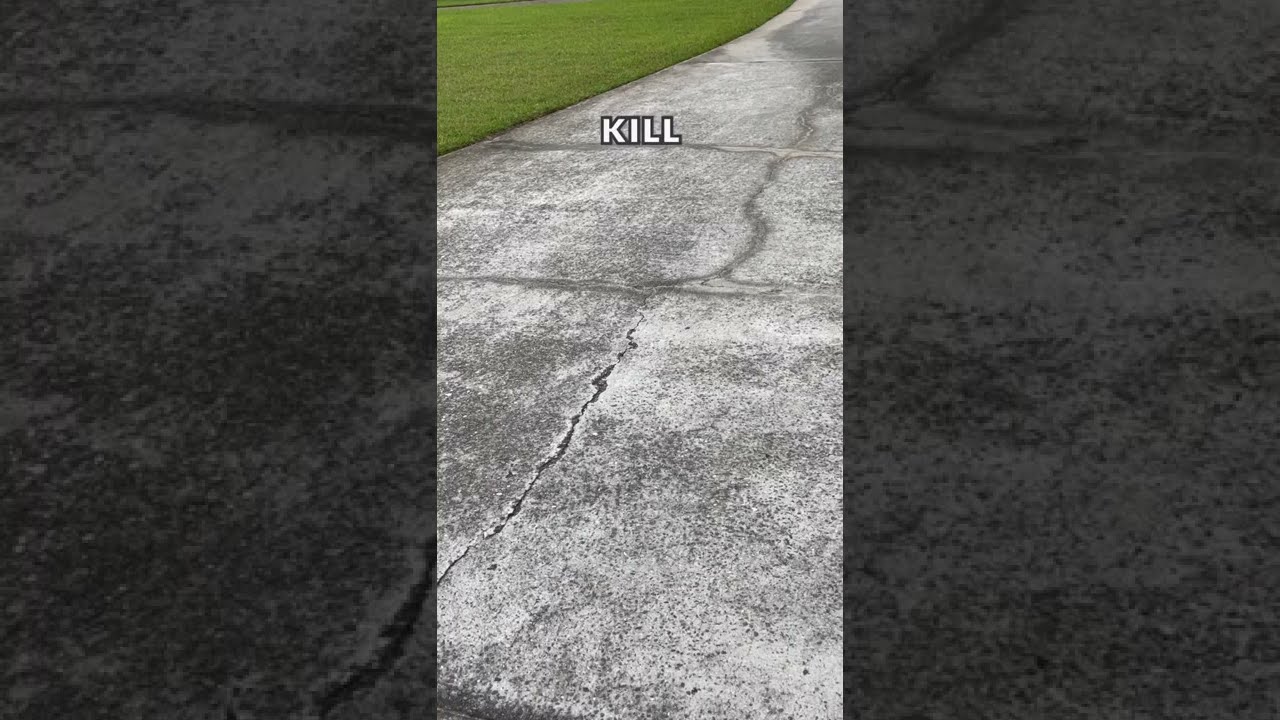
- The driveway is large, heavily stained, or covered in thick algae or moss
- You have pavers, stamped concrete, or a sealed surface
- The driveway is steep or slippery, increasing fall risk
- Oil, rust, or other stubborn stains require specialized treatment
- You want to coordinate driveway cleaning with house washing or roof cleaning for a uniform result
- You are concerned about runoff, liability, or damage to surrounding areas
How to Choose a Richmond Pressure Washing Provider
If you decide to hire help, look for a company that is licensed and insured, willing to explain its methods, and transparent about pricing. Ask whether they use surface cleaners, how they handle wastewater, and whether they adjust techniques for different materials. Local reviews, before-and-after photos, and clear written estimates are good indicators of reliability. A reputable provider will also advise on maintenance schedules, since driveways in Richmond's humid climate typically benefit from cleaning every one to two years, depending on shade and tree cover.
The Bottom Line
DIY driveway cleaning can save money in the right circumstances, but the hidden risks are real: surface damage, injuries, water intrusion, chemical and runoff problems, and results that do not last. For many Richmond homeowners, especially those with larger driveways, pavers, or heavy organic growth, professional pressure washing delivers a safer, more consistent outcome and protects the long-term value of the property. Weigh the true cost of time, equipment, and potential repairs before you pull the trigger, and when in doubt, get a professional assessment. A quick consultation costs far less than repairing a damaged driveway.
Richmond Pressure Cleaning
Unit 2/420 Church St, Richmond VIC 3121
ph. (03) 4231 7213